Living for the Moment: Unpacking Gen Z’s ‘Soft Saving’ Approach in Singapore.
Embracing Today While Planning for Tomorrow

A financial philosophy emerges from the heart of Gen Z, challenging traditional norms on saving and spending. Dubbed “soft saving,” aligns with the “soft life” lifestyle that prioritizes immediate quality of life over the long haul of saving for retirement or building an emergency fund. But what exactly is soft saving, and how does it stack up against the conventional wisdom of “hard saving”? Let’s dive into the world of immediate gratification, long-term goals, and finding that sweet spot in between.
Hard Savings vs Soft Savings
The contrast between soft saving and hard saving is stark.
Traditional “hard saving” is what our parents preached: save as much cash as possible, often at the expense of current enjoyment and quality of life to achieve financial goals more quickly—like buying a house, a car, or saving for marriage.
Soft saving, on the other hand, is about giving yourself permission to invest in experiences that nourish your mind, body, and soul – think of those enriching workshops, a weekend getaway or even a fancy latte if it brings you joy. It’s putting money toward things that improve your quality of life now.
Why Does Gen Z “Soft Save”?
There are a few big reasons:
- #YOLO reigns supreme: Social media feeds are filled with epic vacations and picture-perfect moments. Gen Z wants a piece of that action, not wait until they’re 65 to start exploring the world.
- Life feels uncertain: From rising living costs to worries about climate change, Gen Z sees the future as less predictable. So why deny themselves now for a future that may not look the way they expect?
- Mental health matters: This generation is more attuned to mental well-being. If that massage therapist or a good night’s sleep from a fancy bed means being more productive at work, it’s seen as a worthwhile investment.
Criticisms of Soft Saving
Critics often describe soft saving as shortsighted, warning it might lead to financial instability. It’s essential to acknowledge the risks, especially the dangers of overdoing soft saving and ending up with insufficient emergency funds or inadequate retirement savings.
Yet, when practiced wisely and balanced with elements of traditional hard saving methods, soft saving can be part of a sustainable approach. It’s not about favoring one over the other but rather about finding a harmonious way to balance both methods to have a fulfilling present and a secure future. Think of it like planning a trip – you want to have fun while you’re there but also budget carefully so you can travel again in the future.
The Key to Success: Balance
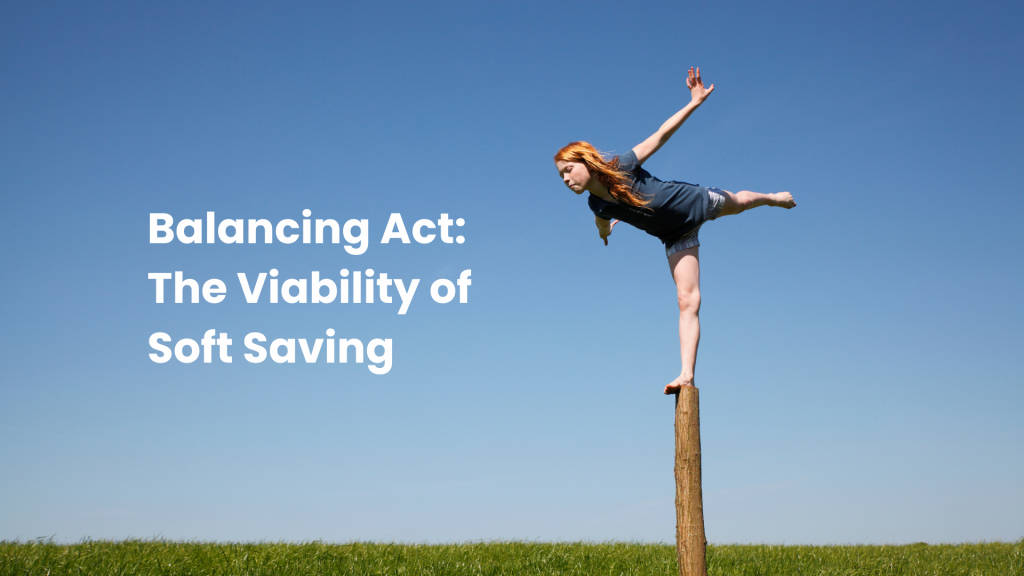
Balancing both approaches allows you to enjoy the present while simultaneously build a strong financial future—one that supports your dreams and a comfortable retirement.
Soft Saving in Practice
- Spend mindfully: “Soft saving” doesn’t mean you should recklessly blow entire paycheck on fleeting pleasures all the time. Make sure those experiences are truly worthwhile.
- Save some the old-fashioned way: Even a small, automatic transfer to savings each month adds up. A bit of “hard saving” creates a safety net alongside your “soft” lifestyle.
- Educate yourself: Dive into budget apps, personal finance videos and articles tailored to your age group, and learn about investing, even with small amounts. Knowledge is power!
- finexis finConnect App: Where you can track policies with the Policy Wallet feature and even set targeted savings goals with the Dreams Manager feature.
- Seek Professional Advice: Consult with a Financial Consultant. They can provide strategies tailored to your financial situation, helping you balance soft saving with traditional saving methods and keep your finances in check.
Implementing a wise, balanced savings approach effectively means setting clear financial goals, budgeting for both pleasures and necessities, and investing wisely. It’s about making informed decisions that align with your values and long-term aspirations.
The Path Forward
The trend of soft saving represents a shift in how Gen Z perceive money and happiness. For Gen Z in Singapore, it’s a testament to their desire for a life that values experiences and mental well-being.
We encourage our readers to take some time to reflect on their financial habits and consider how you might balance both soft and hard saving methods to create a sustainable future that prioritizes your present happiness alongside your long-term financial goals.
Disclaimer: This article is for informational purposes and not intended as tailored financial advice. Please consult with a financial advisor before making significant financial decisions