Raising Money-Smart Kids in a Cashless World
Tap. Go. Done.
For today’s children, money often feels invisible, no coins to count, no notes to hold, just a swipe or scan away. While convenience has reshaped the way we pay, it has also changed how young minds perceive money. In a cashless world, financial literacy needs a fresh start, one that helps kids understand not just how to spend, but how to manage, save, and grow their money wisely.
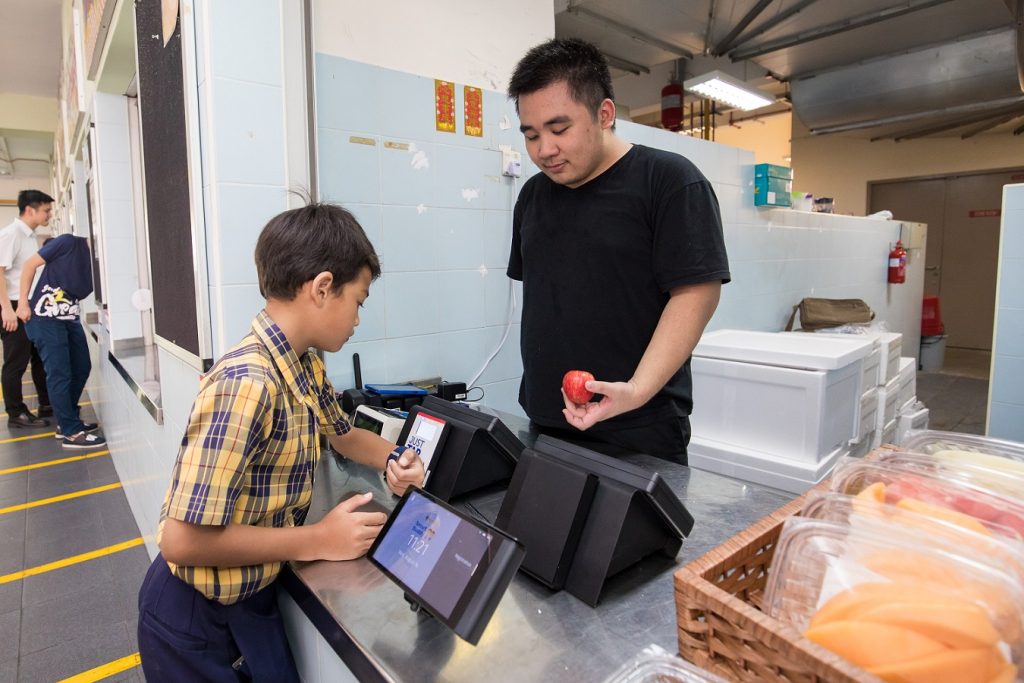
Why traditional money lessons aren’t enough anymore
Many of us learned about money by saving pocket change in a tin or envelope. But in a digital age where allowances get transferred through apps and purchases happen online, those lessons no longer fully apply.
Children today rarely see the exchange that used to make spending feel real, handing over cash and watching your wallet get lighter. Without that tangible link, it’s easy for them to lose sight of value or think that money is limitless as long as there’s a tap card or QR code involved.
That’s why financial literacy needs to evolve to help the next generation grasp not just what money does, but what it means.
Bringing money lessons into everyday life
Financial education doesn’t have to wait for school. Everyday moments are powerful teachers.
- At the supermarket: Let your child compare prices or calculate the total cost of items in the basket.
- Online shopping: Discuss needs versus wants. “Do we need this, or do we want it?”
- Allowance planning: Encourage them to divide their pocket money into “spend,” “save,” and “give” jars, even if it’s done digitally through budgeting apps.
These small conversations turn transactions into teachable moments, helping children understand trade-offs, priorities, and the satisfaction of delayed gratification.
Parents as role models
Children learn more from what we do than what we say. When parents discuss budgets, savings goals, or even family financial decisions, they’re modelling behaviour that builds confidence and curiosity.
Be open about topics like:
- Setting goals before making big purchases.
- Saving for experiences instead of things.
- Talking about mistakes, and what you learned from them.
The goal isn’t to burden children with adult worries, but to show them that money can be managed thoughtfully and intentionally.
Small steps today, lifelong impact tomorrow
Good habits compound, not just investments.
A child who learns how to plan, prioritise, and save will grow into an adult who approaches money with clarity and confidence.
Financial literacy is a lifelong journey, but it starts with awareness and understanding that every choice, big or small, shapes one’s future. By nurturing that awareness early, parents give their children more than financial security; they give them independence, resilience, and the ability to make sound decisions in an ever-changing world.
Start the conversation early
Money isn’t just about numbers. It’s about values, discipline, and vision.
At finexis, we believe it’s never too early to begin that journey.
Speak with your finexis consultant about tools and solutions that can grow with your child from education planning to future protection, and build a foundation for a lifetime of financial confidence.