Singapore’s looming dementia tsunami: How can families embrace life fully in the presence of dementia?
An article brought to you by Singlife Pte Ltd.

Rising dementia cases are turning more Singaporeans into caregivers. Get a first-hand look at the long-term care challenges this poses and learn ways to go on living meaningfully.
By Melissa Gail Sing
Caring for a Parent with Dementia: A Growing Challenge
“The worst day was when I saw my mother try to eat tissue, mistaking it for food.”
This is the heartbreaking reality of dementia caregiving. While many understand dementia’s effects, few grasp its growing impact. As our population ages, more people will face the responsibility of caregiving.
A Looming Dementia Crisis
According to the World Health Organisation, some 55 million people live with dementia gobally, with nearly 10 million new cases yearly. In Singapore, cases are projected to rise from 92,000 in 2021 to 152,000 by 2030. The impending dementia tsunami could turn the illness into a leading reason for long-term care, alongside stroke and mobility challenges resulting from falls. Younger generations will also face greater pressure to support and care for seniors with dementia.
A Singlife study sheds light on the challenges caregivers face and what we need to prepare for.
The Realities of Dementia Caregiving
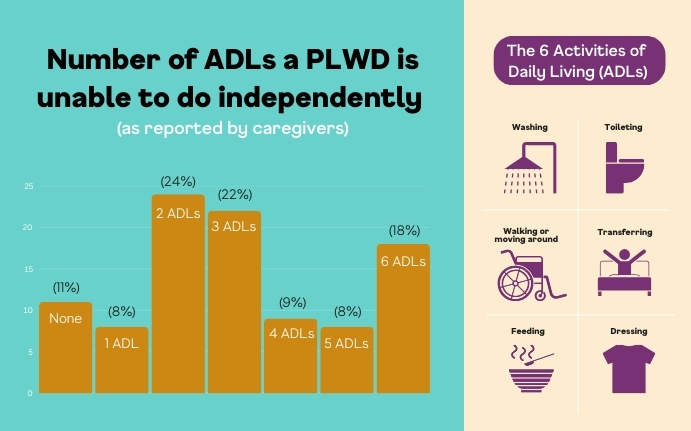
1. Majority of PLWDs are unable to do at least one activity of daily living (ADL)
Dementia affects both mental and physical health. 89% of caregivers report their loved one is unable to perform daily activities like dressing or eating.
2. Nine in 10 caregivers make home modifications
90% of caregivers make changes to their homes, such as installing grab bars or CCTV for safety. However, strict subsidy criteria can make these modifications financially challenging.
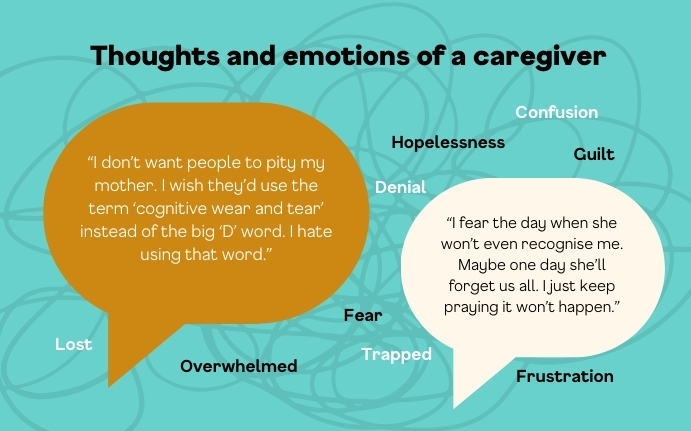
3. Emotional pressures can outweigh financial pressures
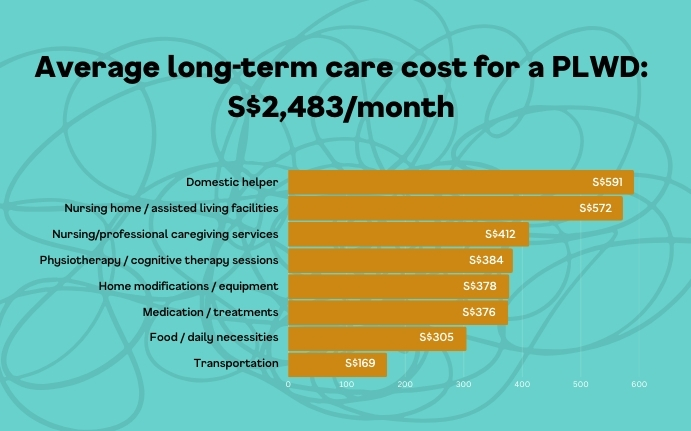
Beyond the costs (S$2,483/month on average), caregivers struggle with emotional stress—uncertainty, role reversal, family tensions, and burnout.
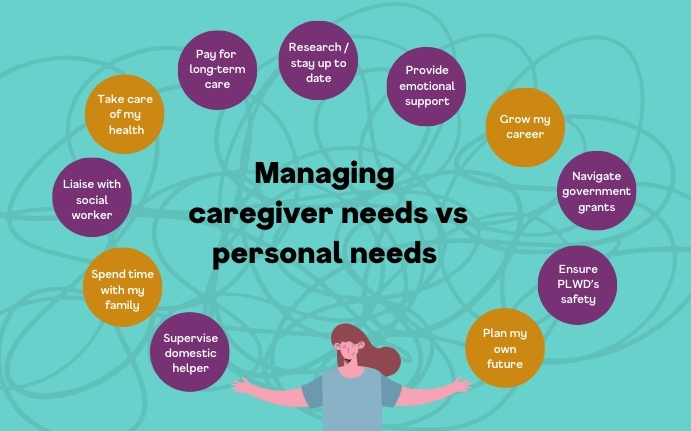
4. Caregiving Is Overwhelming
Many juggle caring for both elderly parents and children. The constant responsibilities lead to exhaustion, neglect of self-care, and even a higher risk of cognitive decline.
5. Long-Term Costs Are a Burden
Dementia care expenses rise as the condition worsens. Most caregivers use personal savings, but four in five say their funds are insufficient. Some are forced to make difficult financial trade-offs.
6. Lack of Clear Guidance
Many caregivers feel lost, relying on scattered online resources. A single, comprehensive information source would greatly ease their burden.
Planning for the Future
Four in five have not started financial planning for dementia care, with most expected to rely heavily on personal savings and MediSave, yet many find these funds insufficient.
Aside from having financial solutions that shield against the long-term impact of dementia, it’s important to have solutions that protect the wellbeing of both PLWDs as well as caregivers. The right moves and a supportive environment can empower us to make the best of life should we ever become caregivers of PLWDs or need long-term care ourselves.
- Advance Planning – A will and Lasting Power of Attorney ensure one’s wishes are respected.
- Comprehensive Coverage – Policies that give payouts upon diagnosis of cognitive decline or as early as when the PLWD is unable to perform just one ADL can ensure there’s financial support for early treatment. Better still if they give additional benefits like payouts for caregiver and young children that can help cover other costs indirectly related to dementia.
- Workplace Flexibility – Supportive work policies help caregivers balance responsibilities.
- Easier Access to Resources – Having a single resource with dementia information and links to essential services such as part-time caregivers, health screening and vaccination minimises time spent looking for help and quickens access to much-needed services for the PLWD.
Living Meaningfully with Dementia
With better planning and resources, caregivers can focus on what matters most—spending quality time with their loved ones. As dementia cases rise, we must act now to ensure dignity and peace of mind for both caregivers and those they care for.
*This article ‘Singapore’s looming dementia tsunami: How can families embrace life fully in the presence of dementia?’ was first published on Lifestuff, the Singlife blog.